
EU’s zero-emission and youth initiatives as drivers to implement the Paris Agreement? by Hitomi Kimura


Implementation of the Paris Agreement towards COP26 (Glasgow, 2020) The COP25 in Madrid, Spain, could not, unfortunately, reach an agreement on the remaining rules to fully implement the Paris Agreement from 2020, especially on the market mechanism (Article 6), but only to end up with loose COP decision recalling that “each Party’s successive nationally determined contribution will represent a progression beyond the Party’s then-current nationally … Continuer de lire EU’s zero-emission and youth initiatives as drivers to implement the Paris Agreement? by Hitomi Kimura

L’Etat intégré, par Béligh Nabli

L’idéal-type wesphalien de l’« État nation souverain » est confronté à un questionnement existentiel nourri par la dynamique d’intégration européenne. Il n’empêche, au sein même de l’Union, non seulement la dimension étatique du processus d’intégration est prégnante, mais celui-ci donne naissance à un type particulier d’État : l’« État intégré ». La morphologie de l’État change sous l’effet de son appartenance à l’Union européenne. Le … Continuer de lire L’Etat intégré, par Béligh Nabli

Appel à contributions jusqu’au 15 décembre : Le droit à la protection des données à caractère personnel des migrants face à la fermeture des frontières extérieures de l’Union européenne⁩

Un appel à contributions a été ouvert en vue d’une journée d’étude qui se tiendra à l’Université de Bordeaux le 7 février 2020. Alors que vient d’entrer en vigueur au sein de l’Espace économique européen (EEE) le règlement général sur la protection des données (RGPD) et que le Conseil de l’Europe travaille sur une version modernisée de sa convention 108 relative à la protection des individus face … Continuer de lire Appel à contributions jusqu’au 15 décembre : Le droit à la protection des données à caractère personnel des migrants face à la fermeture des frontières extérieures de l’Union européenne⁩

CALL FOR PAPERS – CLIMATE CHANGE: What can European law do?

CLIMATE EMERGENCY Humanity has entered a new biological era: the Anthropocene. This term, originally proposed by the American biologist Eugene F. Stoermer, was popularized in the early 2000s by the Nobel chemistry laureate Paul Crutzen. It refers to the time in which the action of man is likely to cause bio-geophysical changes on a global scale. Humans, masters of the planet, are now able to … Continuer de lire CALL FOR PAPERS – CLIMATE CHANGE: What can European law do?

Convention 108+ and the future data protection global standard, Council of Europe, Strasbourg 19 november

For those who have interest in the Convention 108 + of the Council of Europe. If you are interested in attending the conference (9am to 1pm), please contact them by email for prior registration. Here the  Program Continuer de lire Convention 108+ and the future data protection global standard, Council of Europe, Strasbourg 19 november

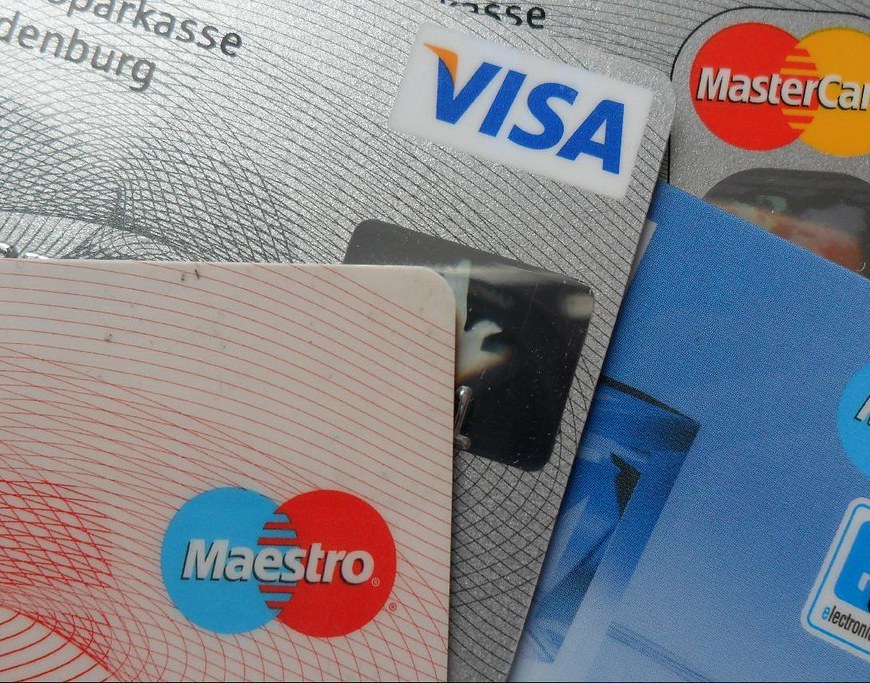
European Monetary Policy and Climate Change by Viraj Bhide

According to the IPCC, climate change is closely linked to unsustainable levels of material consumption in our modern societies. If this were indeed the case, it is necessary to examine the underlying causes of this economic phenomenon. In this article, we make the case that unsustainable levels of consumption may not be an inherent vice of capitalism, but a consequence of monetary policy. Consumption and … Continuer de lire European Monetary Policy and Climate Change by Viraj Bhide

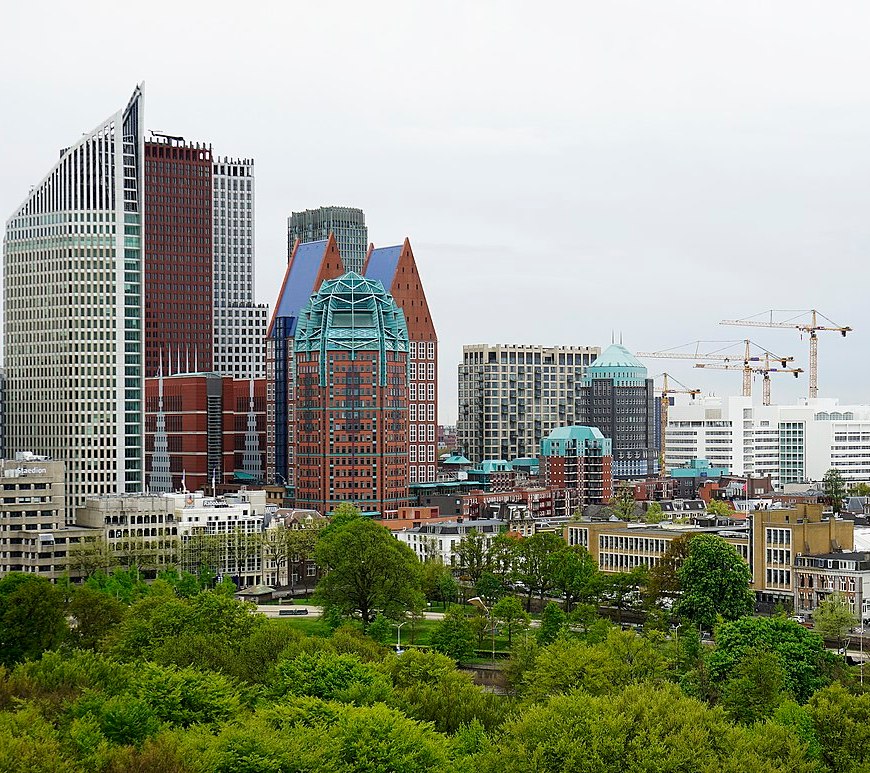
Call for Papers, Young FIDE Seminar – The Hague, 20 May 2020

On the first day of the XXVIV FIDE Congress (Wednesday 20 May 2020) in the Hague, Leiden University will host the Young FIDE Seminar in Leiden. At this seminar PhD students and young EU law practitioners are invited to submit, present and discuss papers relating to one of the three main topics of the FIDE Congress. I. National Courts and the Enforcement of EU law – the pivotal … Continuer de lire Call for Papers, Young FIDE Seminar – The Hague, 20 May 2020

Colloque international « La coopération européenne et internationale des autorités de supervision en matière bancaire et financière »- Paris, 15 novembre 2019

L’Association européenne pour le droit bancaire et financier organise à Paris un colloque international sous le titre « La coopération européenne et internationale des autorités de supervision en matière bancaire et financière ». Compte tenu de l’interconnexion des systèmes financiers et des risques de crise en résultant, la coopération internationale entre les autorités de supervision dans le domaine bancaire et financier est devenue essentielle. Le colloque organisé par l’AEDBF-Europe et … Continuer de lire Colloque international « La coopération européenne et internationale des autorités de supervision en matière bancaire et financière »- Paris, 15 novembre 2019