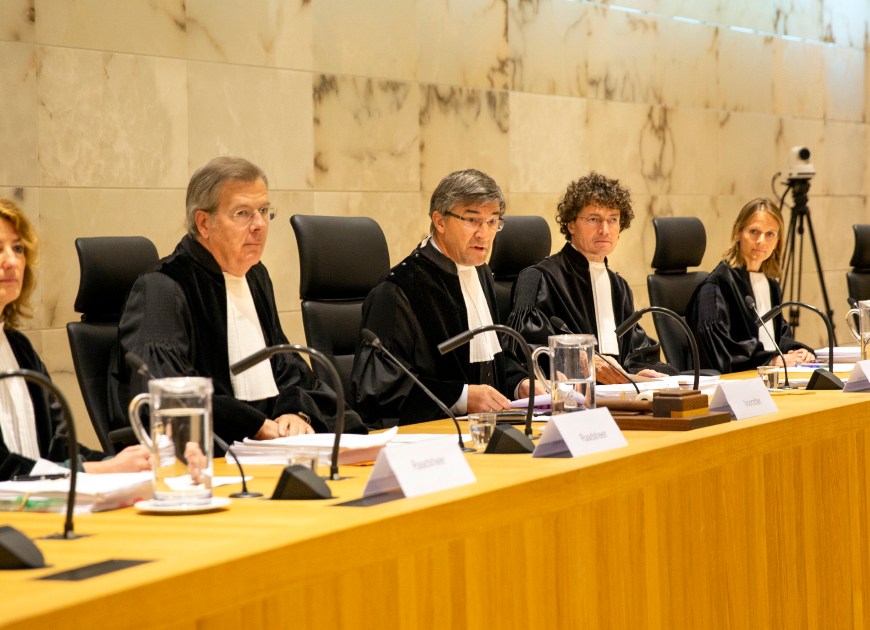
Quand la science climatique s’invite au prétoire, Décryptage de l’affaire Urgenda, Nicolas de Sadeleer


Dans un arrêt du 20 décembre 2019, le Hoge Raad des Pays-Bas (ci-après HR) confirme la position de la cour d’appel de La Haye en matière d’efforts à fournir en vue de lutter contre le changement climatique en faisant application directe des articles 2 et 8 de la Convention. Nous mettons ici en exergue l’interprétation innovante du HR pour une matière qui commence à alimenter … Continuer de lire Quand la science climatique s’invite au prétoire, Décryptage de l’affaire Urgenda, Nicolas de Sadeleer

EU’s regulation of car decarbonisation: 25 years on bumpy roads by Mulugeta Getu Sisay

The threat of increased emissions of greenhouse gas (GHG) and its imminent threat to humankind have forced the EU and other global actors to adopt new regulatory measures. However, transport has continued to be a difficult and complex sector to decarbonise. A study commissioned by EEA found that in 2017 the transport sector accounted for 27% of the EU’s (EU-28) total GHG emissions. A further … Continuer de lire EU’s regulation of car decarbonisation: 25 years on bumpy roads by Mulugeta Getu Sisay

Coronavirus and climate change crises under EU law: the need for a common, coordinated and consistent risk management strategy by Alessandra Donati

  This article is published as part of Covering Climate Now, a global journalism collaboration strengthening coverage of the climate story     One or two crises? “An absent dog does not bark, says an African proverb. The press has hardly been absent during the coronavirus outbreak; many outlets have run stories about little else. But the focus on the virus has distracted the press … Continuer de lire Coronavirus and climate change crises under EU law: the need for a common, coordinated and consistent risk management strategy by Alessandra Donati

Climate change, food law and policy in the ‘period of consequences’ by Marianna Vanuzzo

Climate change is considered a driver for environmental sustainability actions in the food system, despite the lack of a comprehensive environmental policy framework and the absence of specific regulation in the food domain. According to EFSA, while a broad range of studies and reports examined the impact of climate change on food security, few scientific research and public policies have focused on food safety and … Continuer de lire Climate change, food law and policy in the ‘period of consequences’ by Marianna Vanuzzo

Addressing global deforestation through market power and the empowerment of developing countries: the EU FLEGT initiative as an unusual – yet innovative – example? by Hélène Decottigny

Accounting for 11% of the CO2 emissions, deforestation and forest degradation are the second most important cause of climate change after the combustion of fossil fuels. In the EU, deforestation has been halted thanks to afforestation and reforestation programmes as well as natural growth. On the international plane, however, the situation remains bleak. Every hour, the equivalent of 800 football fields of forest disappears from … Continuer de lire Addressing global deforestation through market power and the empowerment of developing countries: the EU FLEGT initiative as an unusual – yet innovative – example? by Hélène Decottigny

On the eve of the launching of the Fourth phase of the EU-ETS: an overview of the developments and expectations surrounding the world’s largest emission trading market by Marie Escorneboueu

The EU Emission Trading System (hereafter ETS) has been the subject of a lengthy four-phased strengthening process leading to the construction of the most developed system of the kind in the world. It currently covers 45% of EU total greenhouse gas (GHG) emissions and is thus a major tool for the fulfilment of the EU’s climate commitments. It relies on a “cap and trade” model: … Continuer de lire On the eve of the launching of the Fourth phase of the EU-ETS: an overview of the developments and expectations surrounding the world’s largest emission trading market by Marie Escorneboueu

On Challenging the Disparate Impacts of Climate Change through European Discrimination Law by Refia Kaya

What do we mean by “disparate impacts of climate change”? The harmful impacts of climate change do not affect everyone equally. Some individuals are/will be more affected by others because of their characteristics, socio-economic situation or occupations, which make them particularly vulnerable to the harmful impacts of climate change-related state action or inaction. This phenomenon can be called the disparate impacts of climate change. There … Continuer de lire On Challenging the Disparate Impacts of Climate Change through European Discrimination Law by Refia Kaya

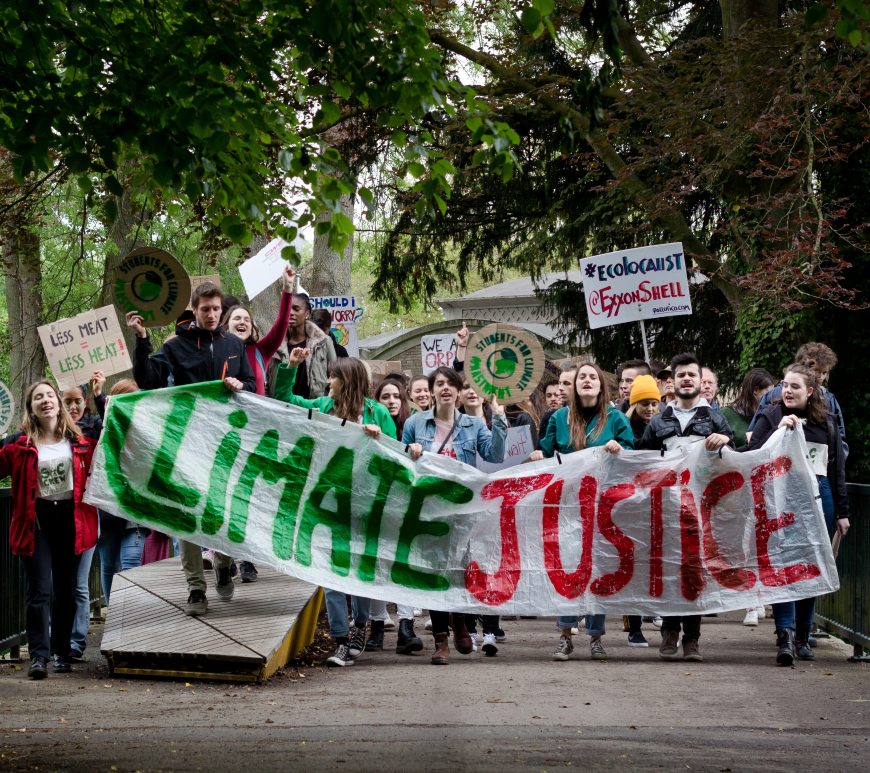
La justice climatique en Europe : bilan et perspectives d’avenir par Marta Torre-Schaub

Des nombreux procès climatiques ont émergé dans le monde depuis les années 2000 et se sont multipliés y compris en Europe depuis 2015 (M. Torre-Schaub, « Changement climatique : la société civile multiplie les actions en justice », 2017, https://theconversation.com/changement-climatique-la-societe-civile-multiplie-les-actions-en-justice-74191 ). Ces différents recours climatiques témoignent d’une tendance à une gouvernance du climat désormais polycentrique qui ne se limite plus au cadre des négociations onusiennes. En effet, la … Continuer de lire La justice climatique en Europe : bilan et perspectives d’avenir par Marta Torre-Schaub

EU’s zero-emission and youth initiatives as drivers to implement the Paris Agreement? by Hitomi Kimura

Implementation of the Paris Agreement towards COP26 (Glasgow, 2020) The COP25 in Madrid, Spain, could not, unfortunately, reach an agreement on the remaining rules to fully implement the Paris Agreement from 2020, especially on the market mechanism (Article 6), but only to end up with loose COP decision recalling that “each Party’s successive nationally determined contribution will represent a progression beyond the Party’s then-current nationally … Continuer de lire EU’s zero-emission and youth initiatives as drivers to implement the Paris Agreement? by Hitomi Kimura

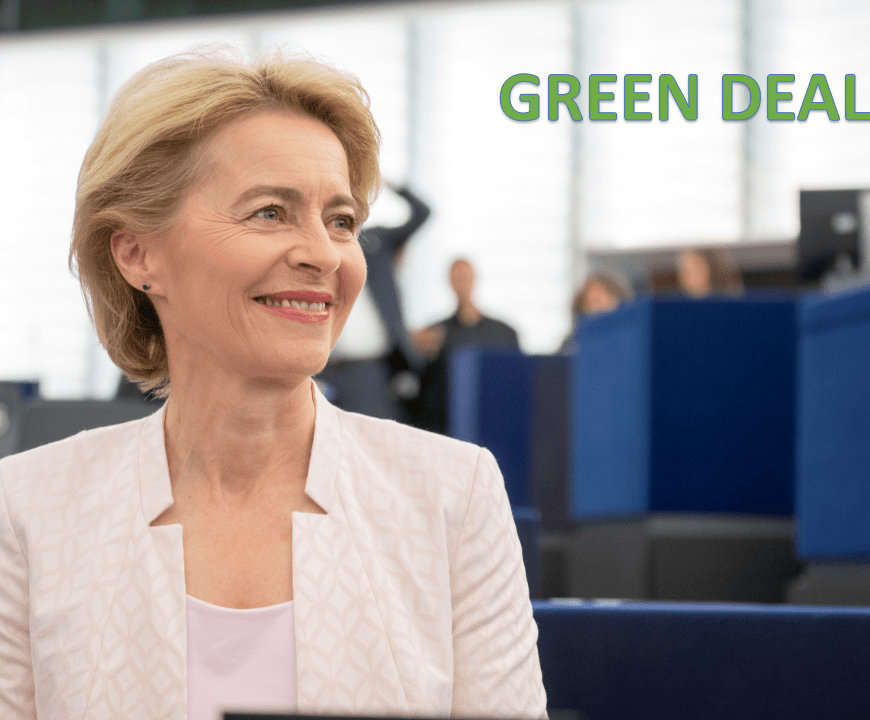
Que retenir du Green Deal proposé par la nouvelle Commission européenne? par Marc Clément

Le green deal: une nouvelle priorité La nouvelle Commission européenne s’installe le 1er décembre 2019 et sa présidente Ursula von der Leyen a, dans son programme, fait des enjeux climatiques et plus généralement environnementaux une priorité. Cette priorité se concrétise par le portefeuille assigné à Frans Timmermans, numéro 2 de la Commission et vice-président exécutif qui est chargé d’un Green Deal européen. Ainsi la Commission … Continuer de lire Que retenir du Green Deal proposé par la nouvelle Commission européenne? par Marc Clément