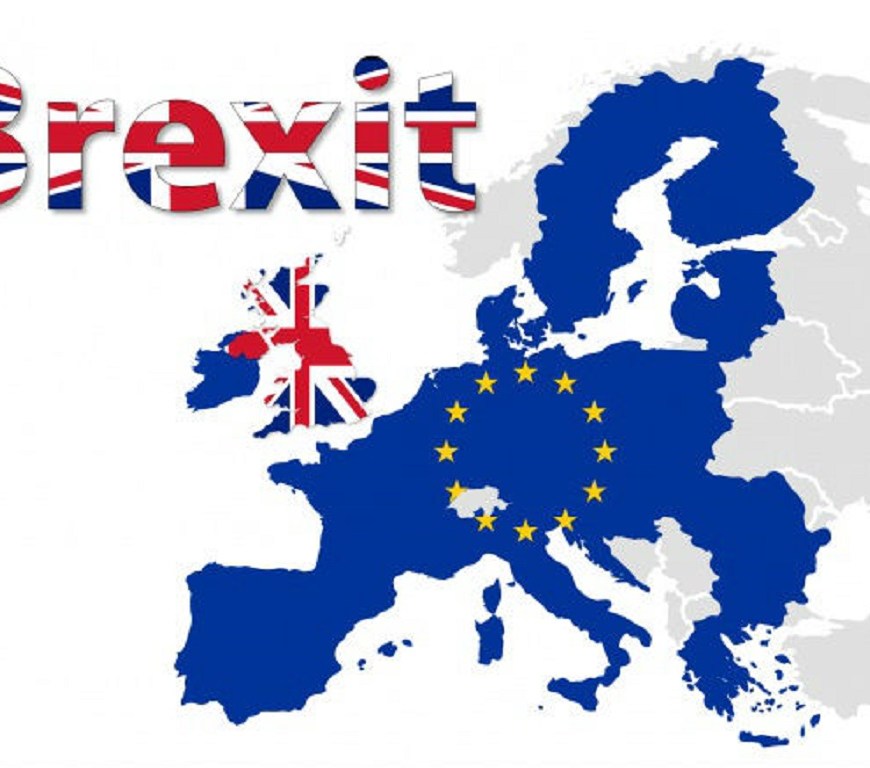
Brexit : avoir ou ne pas avoir un accord, par Jacques ZILLER

L’accord de retrait, qui régit le statut des citoyens établis avant le 1er février 2020, garantit le maintien des droits des citoyens européens à la libre circulation et au séjour au Royaume-Uni ad vitam et vice-versa pour les citoyens britanniques établis dans l’UE. La question de savoir s’il y aura un ou plusieurs autres accords contraignants sur le libre-échange et d’autres questions entre le Royaume-Uni … Continuer de lire Brexit : avoir ou ne pas avoir un accord, par Jacques ZILLER


Nicolas Brémand

« La reconnaissance prétorienne de l’autorité de la chose jugée » d’Araceli Turmo, part. 2, par Nicolas Bremand

Dans cette deuxième partie d’interview, la Maîtresse de conférences Araceli Turmo évoque un premier aspect de sa thèse. Elle démontre la nécessité et les fondements de la reconnaissance prétorienne de l’autorité de la chose jugée.
Interviewée par Nicolas Brémand Continuer de lire « La reconnaissance prétorienne de l’autorité de la chose jugée » d’Araceli Turmo, part. 2, par Nicolas Bremand

Open Access Book on EU Japan Relations

This book is the result of an international cooperation launched through an e-conference organised from May 2020 to July 2020 on blogdroiteuropeen, for its fourth anniversary. It brings together ten papers of legal academics or practionners from the EU and Japan. The e-conference and this book were organised by Yumiko Nakanishi, Professor of European Union Law at the Graduate School of Law, Hitotsubashi University, Tokyo, … Continuer de lire Open Access Book on EU Japan Relations

Coronavirus and the Right to Roam in the UK, by Lorna Woods

Introduction Coronavirus tracking apps have been the centre of attention. Initially seen by many governments as a central plank in the plan to contain the spread of the virus, they also gave rise to many privacy, data protection and security concerns.  The approach adopted in many countries including – eventually – the UK, was based on a decentralised model utilising blue tooth beacons on smartphones … Continuer de lire Coronavirus and the Right to Roam in the UK, by Lorna Woods

Digital Contact Tracing in India: A Failure of Democratic Science and Technology Policy

As the world reeled from the impact of the COVID-19 pandemic, early in April, Indian Prime Minister Narendra Modi urged the people of India to download and use the ‘Aarogya Setu’ smartphone application. Translating loosely as ‘bridge to health’, the software application was among the arsenal of digital surveillance measures being adopted to assist in the government’s response to the pandemic, which has included drone … Continuer de lire Digital Contact Tracing in India: A Failure of Democratic Science and Technology Policy

COVID-19 and ‘Immunity Passports’ – The Way Forward, by Nóra Ní Loideain

This brief paper builds on related work by the author and others on health data research and data protection, legal safeguards for emergency COVID-19 measures, and a presentation by the author on this topic. The following analysis also responds to a previous paper published in this e-conference on ‘Data Protection Issues and Covid-19: Comparative Perspectives’. Three main issues are addressed below: the concept of ‘immunity … Continuer de lire COVID-19 and ‘Immunity Passports’ – The Way Forward, by Nóra Ní Loideain

The case of the Norwegian “Infection Stop” application, by Iris Nguyen Duy

Norway’s population is around 5,4 million. There have been approximatively 12,700 positive cases in Norway at the time of writing, with 267 people now confirmed dead. The country seems to be experiencing a second wave of infections, especially in big towns like Oslo and Bergen, and it has now even higher infection rates than Sweden. The Norwegian government reacted quickly after the first known infection … Continuer de lire The case of the Norwegian “Infection Stop” application, by Iris Nguyen Duy

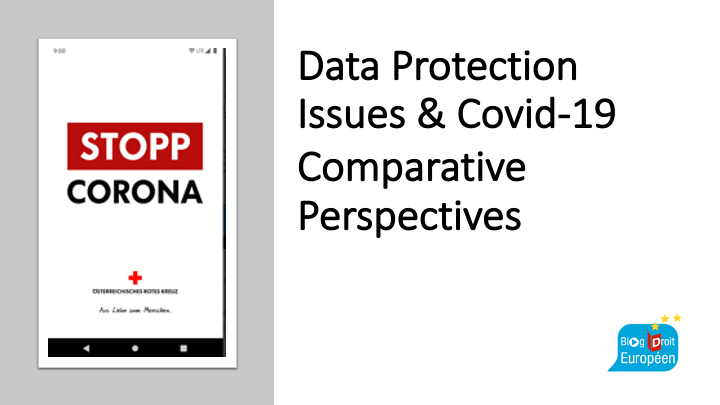
Data protection issues related to Covid-19 in Austria, Nikolaus Forgó, Johanna Göschlberger

On 25 February 2020, there were the first two confirmed cases of Covid-19 in Austria. Due to the exponential increase of the virus, the Austrian government aimed to take measures as swiftly as possible. Since then a long list of legal and organisational measures have been taken and it is to be expected that the stream will not end soon so that the following remarks … Continuer de lire Data protection issues related to Covid-19 in Austria, Nikolaus Forgó, Johanna Göschlberger

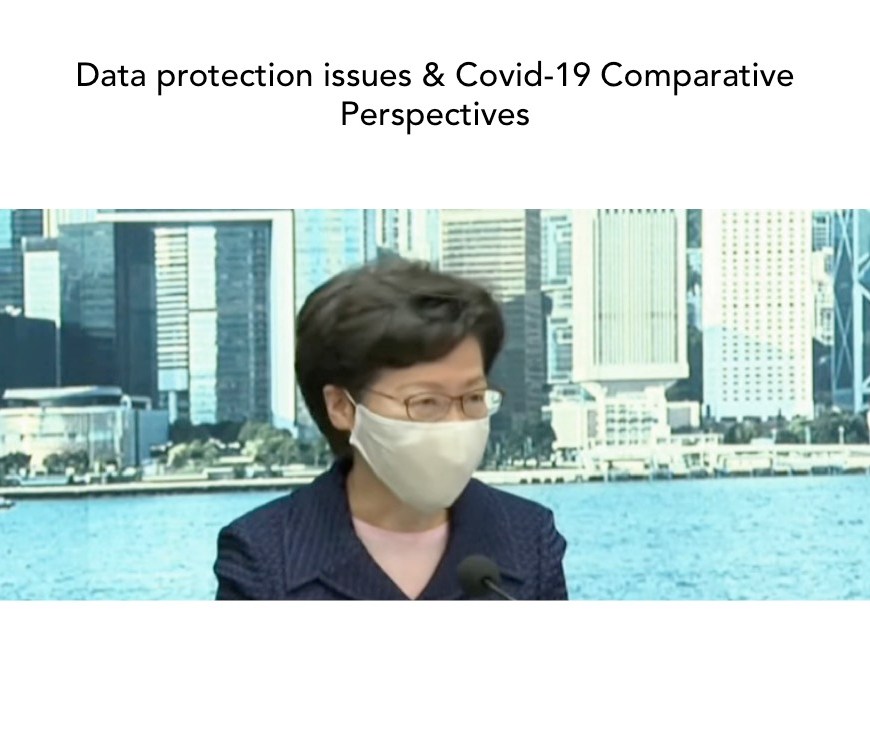
Hong Kong: Covid 19 and Privacy by Anne Cheung

Since the spread of the coronavirus in January 2020, whenever one enters a shop, restaurant, or salon in Hong Kong, body temperature will be taken. If one enters a clinic or hospital, in addition to body temperature, one’s travel data for the past 14 days will also be asked. The disclosure of health data has become a daily norm in Hong Kong. Seemingly, all these … Continuer de lire Hong Kong: Covid 19 and Privacy by Anne Cheung