


Catégorie : Matières


Are climate change litigations possible in Italy? by Michele Carducci
The use of climate change litigations is increasing, also in Europe (Sindico F. et al. (eds.) 2020) They have three distinctive characteristics: – They can be promoted towards States or companies; – They arise from complaints made by citizens or local authorities; – They are based on scientific evidence as a parameter for the evaluation of State policies or business decisions. In Italy, the Network … Continuer de lire Are climate change litigations possible in Italy? by Michele Carducci

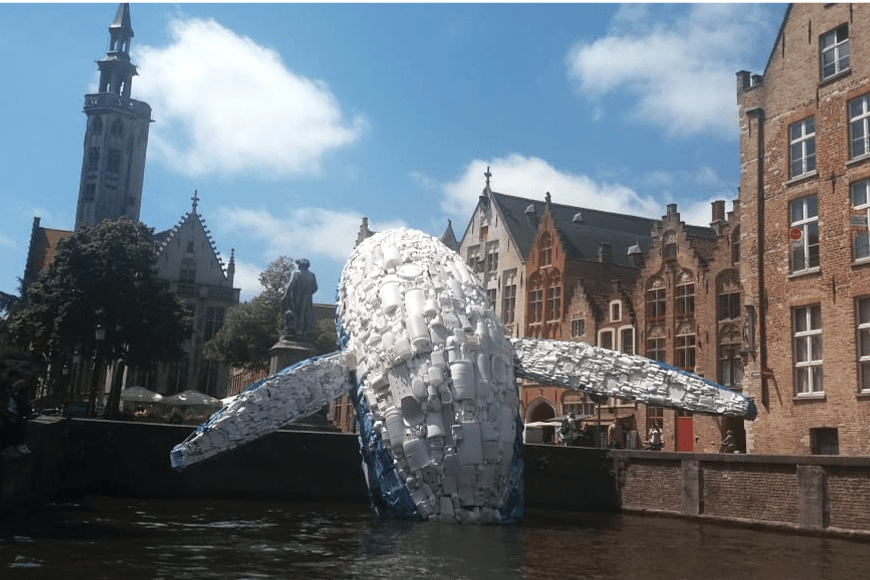
SEVERAL REASONS WHY: Climate change as one of the motives why we are failing in the fight against plastic pollution by Luísa Cortat Simonetti Gonçalves Coutinho
Environmental awareness is still historically new and, consequently, so are the actions to fight the environmental harms caused by humankind. Climate change is already well-known in data and counts with an international legal framework, especially since 1992, with the establishment of the UNFCCC. The plastic pollution is newer, still lacks data and international legal solutions. But the two biggest environmental problems caused by humankind have … Continuer de lire SEVERAL REASONS WHY: Climate change as one of the motives why we are failing in the fight against plastic pollution by Luísa Cortat Simonetti Gonçalves Coutinho

The unsustainable lightness of enforcement procedures: environmental standards in the EU-Mercosur FTA by Giovanni Gruni
The European Union has been increasingly active for more than a decade in the conclusion of free trade agreements (FTAs) directly with partner countries and outside the WTO. This has brought to the conclusion of some very large free trade agreements such as the CETA with Canada or the more recent EU-Japan FTA. On the 28th of June 2019 the EU reached an agreement in … Continuer de lire The unsustainable lightness of enforcement procedures: environmental standards in the EU-Mercosur FTA by Giovanni Gruni
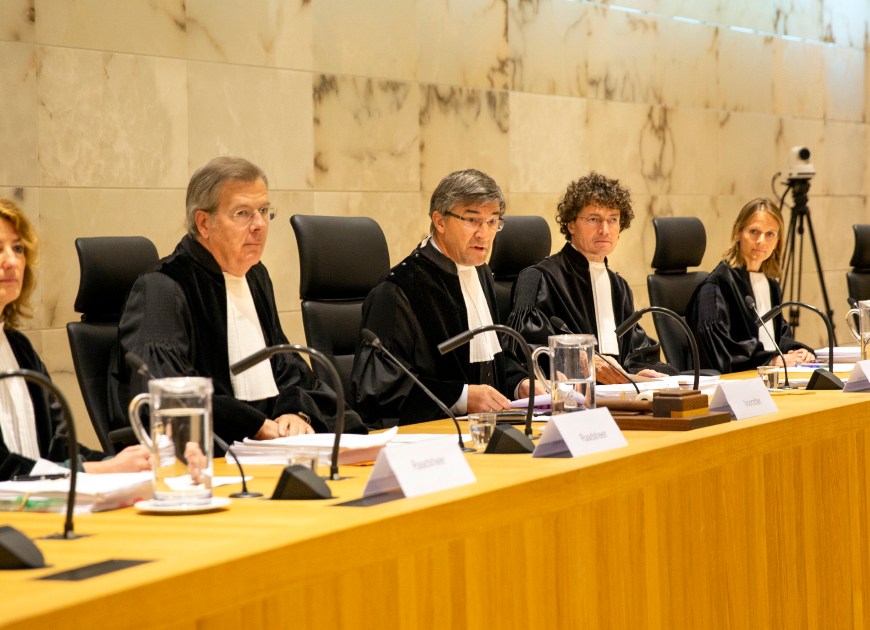
Quand la science climatique s’invite au prétoire, Décryptage de l’affaire Urgenda, Nicolas de Sadeleer
Dans un arrêt du 20 décembre 2019, le Hoge Raad des Pays-Bas (ci-après HR) confirme la position de la cour d’appel de La Haye en matière d’efforts à fournir en vue de lutter contre le changement climatique en faisant application directe des articles 2 et 8 de la Convention. Nous mettons ici en exergue l’interprétation innovante du HR pour une matière qui commence à alimenter … Continuer de lire Quand la science climatique s’invite au prétoire, Décryptage de l’affaire Urgenda, Nicolas de Sadeleer

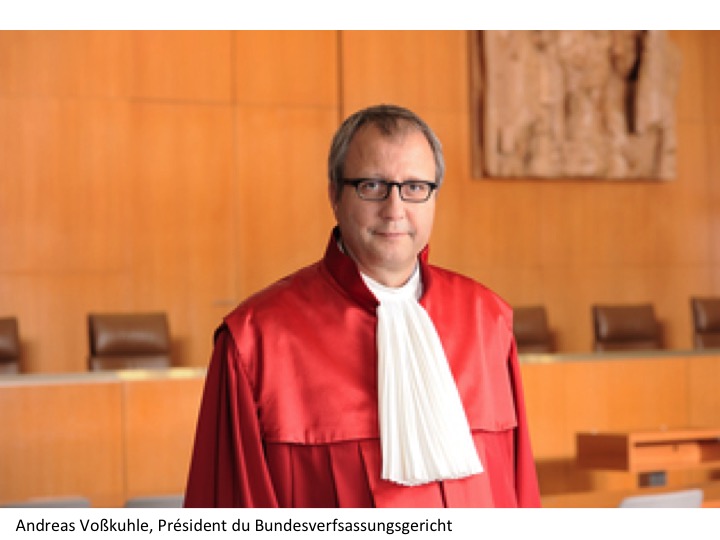
L’insoutenable pesanteur du juge constitutionnel allemand, par Jacques Ziller
La présente note est une réaction à chaud, basée sur la seule lecture de l’arrêt du 5 mai 2020 de la Cour constitutionnelle fédérale allemande (Bundesverfassungsgericht – BVerfG) concernant le programme PSPP de la Banque Centrale Européenne (BCE). Résumé : Le raisonnement des juges de la Cour constitutionnelle allemande visant à interdire à la Bundesbank d’acheter des titres souverains sur le marché secondaire si la … Continuer de lire L’insoutenable pesanteur du juge constitutionnel allemand, par Jacques Ziller
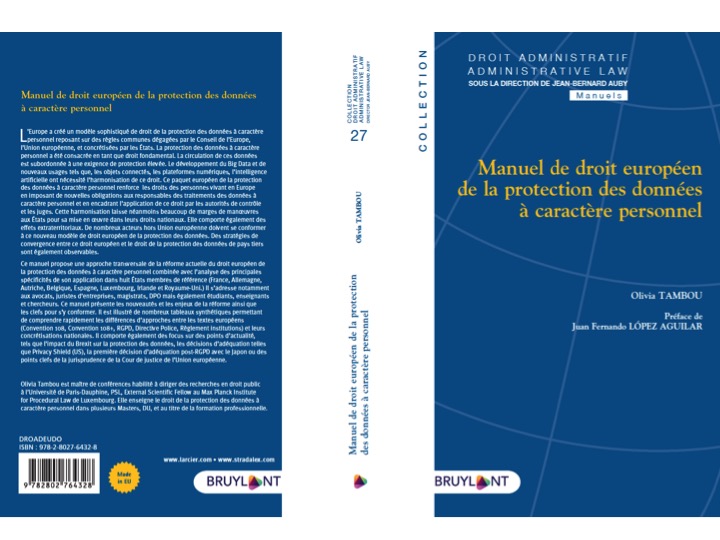
Pourquoi lire ce manuel de droit européen de la protection des données à caractère personnel ?
Une fois n’est pas coutume, l’objet de ce post est de présenter de façon nécessairement subjective, les trois valeurs ajoutées de ce manuel et pourquoi vous devriez le lire. Les 3 valeurs ajoutées de ce manuel 1. Un ouvrage unique présentant l’ensemble du droit européen de la protection des données à caractère personnel Cet ouvrage va au-delà de la plupart des ouvrages sur le marché … Continuer de lire Pourquoi lire ce manuel de droit européen de la protection des données à caractère personnel ?

L’avenir d’Air France-KLM en temps de COVID-19 : une aide d’Etat pour quelle finalité ?
L’histoire mouvementée d’Air France, notamment sa quasi-faillite au début de années 90, est régulièrement marquée par un rôle de « chevalier blanc » du ciel français, avec la reprise des compagnies telles qu’Air Inter, 1997, ou sous la marque chapeau « Hop ! » des compagnies Régional, Brit Air et Airlinair en 2013. Mais son intégration dans un groupe biculturel, donnant à cette époque la première compagnie mondiale en termes … Continuer de lire L’avenir d’Air France-KLM en temps de COVID-19 : une aide d’Etat pour quelle finalité ?

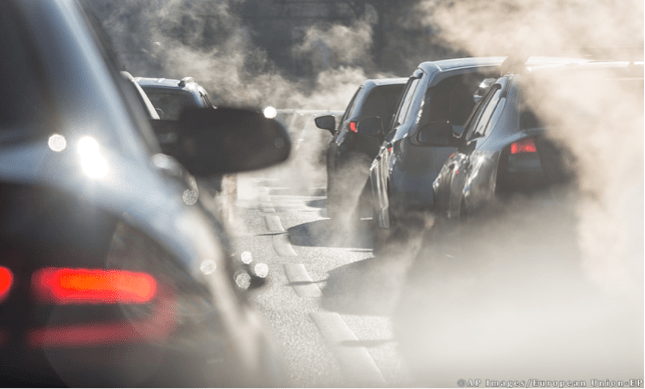
EU’s regulation of car decarbonisation: 25 years on bumpy roads by Mulugeta Getu Sisay
The threat of increased emissions of greenhouse gas (GHG) and its imminent threat to humankind have forced the EU and other global actors to adopt new regulatory measures. However, transport has continued to be a difficult and complex sector to decarbonise. A study commissioned by EEA found that in 2017 the transport sector accounted for 27% of the EU’s (EU-28) total GHG emissions. A further … Continuer de lire EU’s regulation of car decarbonisation: 25 years on bumpy roads by Mulugeta Getu Sisay

Coronavirus and climate change crises under EU law: the need for a common, coordinated and consistent risk management strategy by Alessandra Donati
This article is published as part of Covering Climate Now, a global journalism collaboration strengthening coverage of the climate story One or two crises? “An absent dog does not bark, says an African proverb. The press has hardly been absent during the coronavirus outbreak; many outlets have run stories about little else. But the focus on the virus has distracted the press … Continuer de lire Coronavirus and climate change crises under EU law: the need for a common, coordinated and consistent risk management strategy by Alessandra Donati
 blogdroiteuropéen